
Warm Light Makes Evenings Feel Calmer
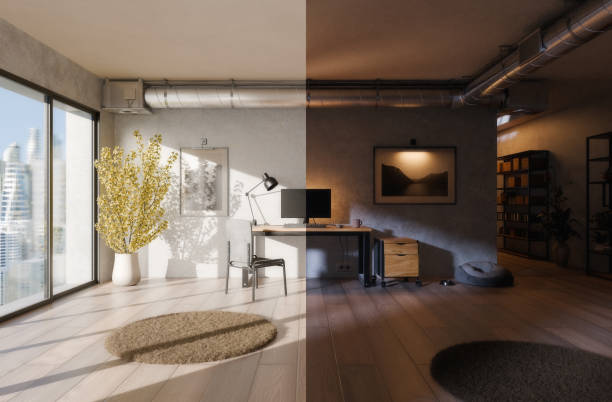
Your body reads light like a clock. When the sun sets over Canterbury, it expects the room to grow softer — but many homes stay bright with cool-white LEDs until bedtime. Switching to warm, low light in the evening helps you feel sleepier and makes the shift to rest feel natural.
Why It Works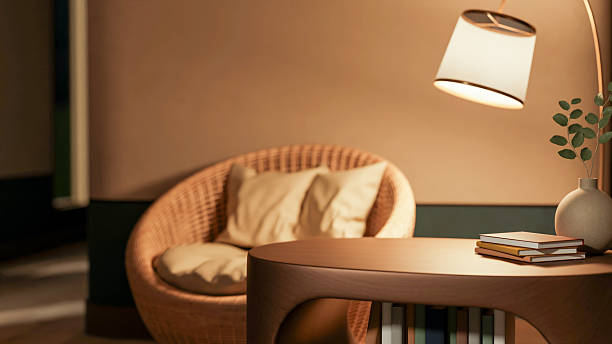
How Light Affects the Feel of Your Evening
Editorial note: This page describes general home lighting habits. It is not medical advice, sleep therapy, or light-treatment guidance.
Bright, cool-white light — especially from screens — can make a room feel alert. Many people prefer softer, warmer light when they want to unwind in the evening. Bulbs labelled 2200–2700K give a golden tone similar to lamplight.
Dimming overhead lights and using table lamps may help your home feel calmer. How much difference you notice is personal. We share practical lifestyle tips only — not claims about treating sleep or health conditions.
A Simple Evening Lighting Plan
You do not need to rewire your house. Focus on three areas: living room, bathroom, and bedroom. Add table or floor lamps with warm bulbs. A dimmer switch helps a lot — even turning down a cool overhead light by half is a good start.
- Two hours before bed: Turn off overhead lights. Use lamps only in the living room.
- One hour before bed: Dim bathroom lights. A small warm night light is enough.
- At bedtime: One bedside lamp on the lowest setting. Keep your phone brightness down.
In long New Zealand summers, blackout curtains help when the sun sets after 9 pm. In winter, get some midday sun if you can — it helps your body clock before the early dusk.
What About Screens?
Phones and tablets shine bright blue light right into your eyes — often brighter than the room around you. Night mode helps but does not remove the problem entirely. If you must use a screen, set it to the warmest tone, lower brightness below 30%, and hold it at arm's length.
Try putting devices away for the last thirty minutes before bed. Charge them outside the bedroom, use a regular alarm clock, and reach for a book or quiet audio instead of scrolling.
"Warm light does not shut down your mind — it gives it permission to slow down."
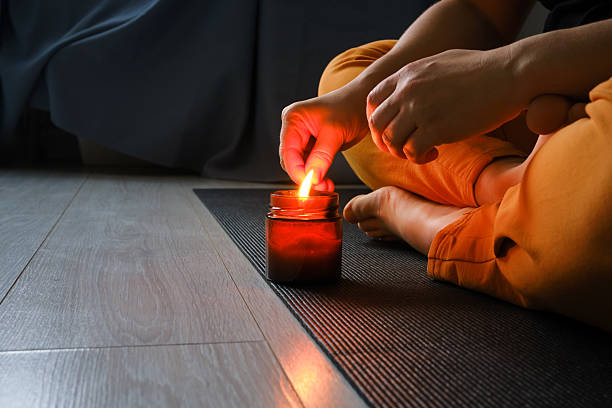
Candlelight adds a flicker that no bulb fully copies. Use candles safely while reading, then blow them out before you turn in for the night.
A Quiet Candle-Gazing Exercise
Sit about two arm-lengths from a single candle, flame at eye level or slightly below. Softly look at the flame without staring hard. When your eyes water or your mind wanders, close them and notice the afterimage for a few breaths.
Do this for five to ten minutes in an otherwise dark room. The warm flicker gives your mind something simple to focus on — similar to watching your breath in meditation. Blow out the candle before going to bed. Do not do this if you are already very sleepy.
Upcoming Events
- 22 Jun 2026Warm Light for Winter — See affordable lamp and dimmer ideas for Christchurch homes at Westside House.
- 10 Aug 2026Screen-Free Hour — One hour of reading, journaling, and tea without devices. Warm light provided.
- 5 Sep 2026Candle Gazing for Beginners — 20-minute guided practice with a safety briefing. Max 12 people.