
Fabrics That Help You Feel at Ease
What you touch in the evening can shape how comfortable your space feels. Cool linen, a soft wool throw, a pillow that supports your neck — each texture adds to a calm, lived-in atmosphere. Japanese wabi-sabi reminds us that small imperfections, like a crease in fresh linen, are part of what makes a home feel real.
About Linen & Wool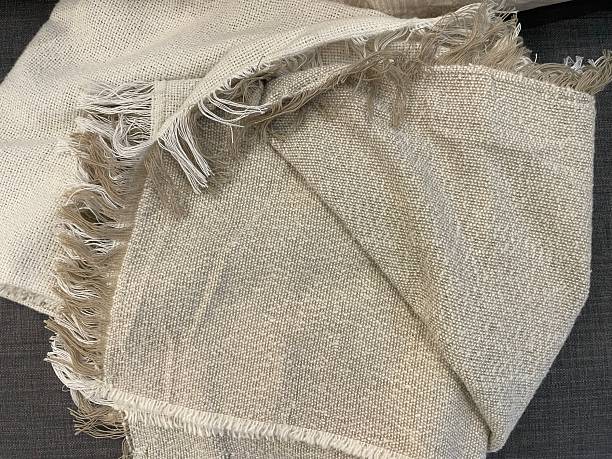
Linen Keeps You Cool on Warm Nights
Linen is made from flax and pulls heat away from your body, which makes it a good choice for hot Christchurch summers when the bedroom stays warm into the evening. It feels a bit crisp when new and gets softer with every wash — like a fabric that grows with you over time.
Some people find the light texture of linen grounding; others prefer smooth cotton. There is no wrong choice — pay attention to how your skin feels after a full night. Wash linen in cool water and hang it to dry when you can. It may feel stiff at first, but it relaxes within minutes once you lie down.
Wool Adds Warmth and Gentle Weight
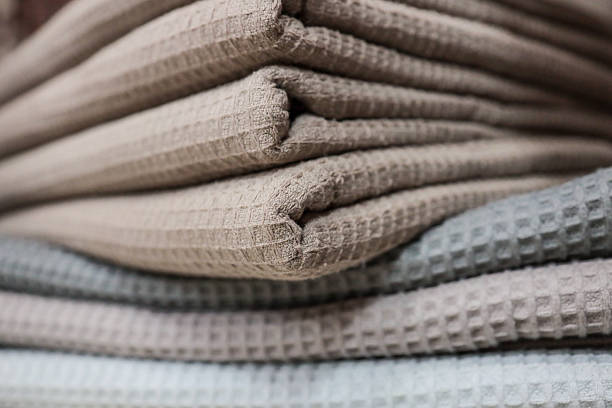
Wool traps air and keeps you warm without feeling heavy. New Zealand merino wool is soft and fine — much nicer against skin than coarse wool. A throw at the foot of the bed lets you pull up warmth during the night without overheating under a thick duvet.
Weighted blankets spread pressure evenly across your body, a bit like a steady hug. Some people find this calming while reading or listening to quiet music. A common starting weight is about 8–12% of your body weight, but comfort matters more than any formula — go with what feels right.
- Layer wool over linen — cool base, warm top.
- If wool feels itchy, put a cotton sheet between it and your skin.
- Air wool throws outside regularly instead of washing them often.
A Two-Minute Touch Exercise
Editorial note: Fabric and touch tips on this page are general lifestyle ideas. Weighted blankets and textiles are comfort choices — not medical devices unless labelled and regulated as such by a manufacturer.
Before getting into bed, spend two or three minutes noticing what you can feel around you. This pulls your mind away from replaying the day and back into the present.
- Feet on the floor: Feel the surface beneath you — carpet, wood, or tile. Press both feet down evenly for thirty seconds.
- Hands on fabric: Run your fingers over your pillowcase. Notice the weave and whether one side feels cooler.
- Air on your face: Hold your palms near your cheeks without touching. Is the air cooler near the window?
- Hold something solid: Pick up a mug or smooth stone. Feel its weight and temperature.
- Hands on your body: One hand on your chest, one on your stomach. Feel your clothes and your breathing.
Staying Safe
Weighted blankets are not suitable for babies, young children, or anyone who cannot remove the blanket on their own. If you have breathing difficulties, circulation problems, or feel closed-in easily, speak to a qualified professional before using one. If you are allergic to wool or latex, try bamboo, Tencel, or organic cotton instead.
Replace flat pillows or worn mattress toppers — physical discomfort makes even the best evening habits harder. Air natural fabrics in sunlight when you can to keep them fresh.
Common Questions
Linen or cotton — which is better?
Linen stays cooler and has more texture. Cotton feels smoother and softer at first. Many people use cotton sheets with a linen duvet cover. Try each for a week and see what you prefer.
How heavy should a weighted blanket be?
Start around 8–10% of your body weight, but trust how it feels. It should press gently, not feel trapping. Borrow one before buying if you can.
Can fabrics alone help me sleep better?
They are one piece of the puzzle. Fabrics work best alongside calm light, a gentle scent, and a regular wind-down habit — not on their own.